General Politics Celebrities Crime Programming Health Business Sports Jobs Music and Videos Comedy Religion How to Live Sports Education
One of the most important aspects of using Quikhale SF 250 is understanding its usage. This inhaler is designed for regular maintenance therapy rather than providing immediate relief during sudden asthma attacks or severe breathing difficulties. Patients should use it consistently as directed by their healthcare provider to maintain symptom control and improve lung function over time.
Following the prescribed dosage is essential for achieving the best treatment results. Healthcare professionals determine the dosage based on factors such as the severity of asthma or COPD, overall health, and response to treatment. Missing doses or using the inhaler more frequently than recommended can reduce its effectiveness or increase the likelihood of unwanted effects. Patients should never adjust their medication schedule without medical guidance.
Like many respiratory medications, Quikhale SF 250 may cause some side-effects. Commonly reported reactions include throat irritation, hoarseness, headache, cough, dry mouth, or oral fungal infection. Rinsing the mouth with water after each use may help reduce the risk of developing oral thrush. Most side effects are mild, but persistent symptoms or worsening breathing problems should be discussed with a healthcare professional as soon as possible.
Understanding the different types of inhalers can help patients appreciate why their doctor selected a particular device. Maintenance inhalers like Quikhale SF 250 are intended for long-term symptom control, while rescue inhalers are used during sudden episodes of breathlessness. Dry powder inhalers, metered-dose inhalers, and soft mist inhalers each have unique features, making choosing the right inhaler an important decision based on medical needs, inhalation ability, and personal preference.
Correct inhaler technique is equally important. Even the most effective medication may not provide optimal benefits if it is used incorrectly. Patients should shake the inhaler if instructed, breathe out fully before inhalation, inhale slowly while pressing the canister, and hold their breath for several seconds after inhaling the medication. Regularly reviewing inhaler technique with a healthcare provider can significantly improve treatment outcomes.
To effectively manage COPD and asthma, medication should be combined with healthy lifestyle habits. Avoiding smoking and secondhand smoke, limiting exposure to allergens and air pollution, staying physically active within recommended limits, and attending routine medical check-ups all contribute to better respiratory health. Vaccinations against seasonal influenza and pneumonia may also help reduce respiratory complications in eligible individuals.
Learning about available COPD and asthma inhalers empowers patients to participate actively in their treatment decisions. Quikhale SF 250 HFA Based Inhaler can play an important role in long-term respiratory care when used correctly, at the prescribed dosage, and alongside appropriate lifestyle measures. Always consult a qualified healthcare professional before starting, stopping, or changing any inhaler therapy to ensure safe and effective management of your respiratory condition.

Hello everyone, I've recently started using Combihale FF CFC Free 250 Inhaler for asthma, and ...[Read more]
Hello everyone, I'm hoping to hear from people who have used Flutrol 250 Inhaler for ...[Read more]
Hi everyone, I'm looking for feedback from people who have used Formonide Forte 12 mcg/400 ...[Read more]
Hi everyone, My doctor recently prescribed Fluticort F 6 mcg/250 mcg Inhaler as part of my ...[Read more]
I've recently been prescribed Combitide 25 mcg/125 mcg Inhaler as part of my COPD and ...[Read more]
My doctor recently prescribed Airtec SF 50 mcg/250 mcg Inhaler as part of my ongoing COPD ...[Read more]
My doctor recently prescribed Loftair Inhaler 110 mcg/50 mcg as part of my COPD and asthma ...[Read more]
Hi everyone, My healthcare provider recently recommended the Sequadra Inhaler as part of my treatment ...[Read more]
Hi everyone, I'm looking for some honest feedback about the Nistami Inhaler. My healthcare ...[Read more]
Hello everyone, I've recently come across Xlear Natural Nasal Spray with Xylitol 1.5 fl oz ...[Read more]
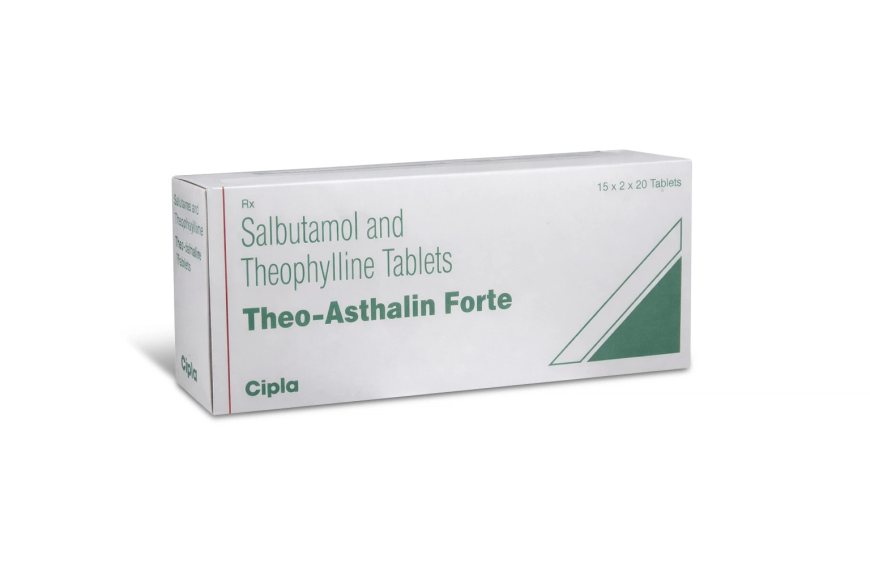
Hi everyone, My doctor recently prescribed Theo Asthalin Forte 4 mg/200 mg as part of my ...[Read more]
A well-structured, high-quality nursing assignment is one which has a coherent, rational flow linking academic ...[Read more]

The 2026 Revenue Cycle Trends Report from Guidehouse and HFMA found that 88% of healthcare executives ...[Read more]
The tablets are an essential part to ignite the sexual desire and mood in women. ...[Read more]
Yes, as these gummies contains powerful natural ingredient that support overall health of our hair, ...[Read more]
They are made up of natural ingredients and do not have any side effects. If ...[Read more]
Yes. It is considered safe by the doctor and does not require medical care and ...[Read more]
In the world of high-level performance, we often talk about mental sharpness and muscle recovery, ...[Read more]
I recently searched for a walk-in dental clinic near me and it was such a ...[Read more]
A Doctor on Call service allows you to consult a qualified doctor at home or ...[Read more]