General Politics Celebrities Crime Programming Health Business Sports Jobs Music and Videos Comedy Religion How to Live Sports Education
The healthcare sector increasingly depends on robotics for precision, consistency, and personalized treatment. The MagicBot Z1 demonstrates how compact robotic systems can complement medical professionals in both clinical and rehabilitation contexts.
In physiotherapy, one persistent challenge is maintaining consistent motion during repetitive exercises. The Z1’s programmable actuators replicate precise trajectories, ensuring patients perform rehabilitation movements at controlled speed and angle. Therapists can adjust resistance levels or range of motion digitally, tailoring therapy to individual recovery stages. Real-time feedback from embedded sensors records torque and acceleration data, allowing objective assessment of patient progress.
Surgical support represents another domain of promise. While the Z1 is not a surgical robot per se, its fine motor precision and dexterous control make it a viable platform for training in minimally invasive procedures. Medical students can practice coordinated instrument manipulation and camera navigation using simulation attachments before transitioning to human operations.
Hospital logistics, too, benefit from the MagicBot Z1’s mobility and awareness. The robot can transport medical samples or supplies across wards, reducing staff workload and minimizing contamination risk. Equipped with depth sensors and vision modules, it navigates corridors autonomously while avoiding patients and equipment. Integration with hospital information systems ensures real-time task updates and traceability.
In rehabilitation robotics research, the Z1’s open API encourages innovation. Researchers exploring exoskeleton-assisted movement can use its control algorithms as baselines for developing adaptive gait analysis systems. Cognitive-rehabilitation studies may employ the robot to interact socially with patients recovering from neurological disorders, promoting engagement through gesture and speech recognition.
Ethically, using robotics like the MagicBot Z1 in healthcare highlights the balance between automation and human empathy. Robots can handle repetitive or hazardous tasks, freeing caregivers to focus on emotional and diagnostic aspects of patient care. As populations age globally, such complementary technology ensures sustainability without compromising compassion.
Thus, the MagicBot Z1 serves not only as a mechanical aid but as a research and operational partner—bridging engineering precision with medical humanity.


Join this discussion to talk about the real effectiveness of Kamagra 100 mg. Users can share ...[Read more]
Promoting Mental Well‑Being with the MagicDog Pro In today’s fast-paced world, emotional ...[Read more]
Hello everyone, Lately, I’ve been exploring simple mindful breaks during work hours just ...[Read more]

Quitting sugar is one of the most powerful upgrades you can give your body, but ...[Read more]
Kamajoy 150mg is a powerful medication designed to treat erectile dysfunction in men. It works ...[Read more]
Discover practical and science-backed ways to enjoy alcohol without damaging your sexual performance or emotional ...[Read more]
Tadarise is a powerful medication designed to treat Erectile Dysfunction (ED) in men. Containing Tadalafil ...[Read more]
Hello all, I’m currently dealing with severe dry eyes and inflammation. My ophthalmologist ...[Read more]
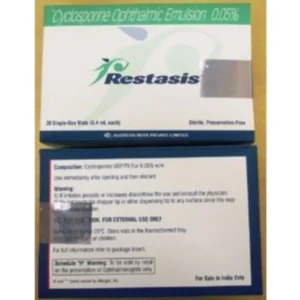
Hey everyone 👋 Has anyone here gone through eye injections for conditions like diabetic macular edema ...[Read more]
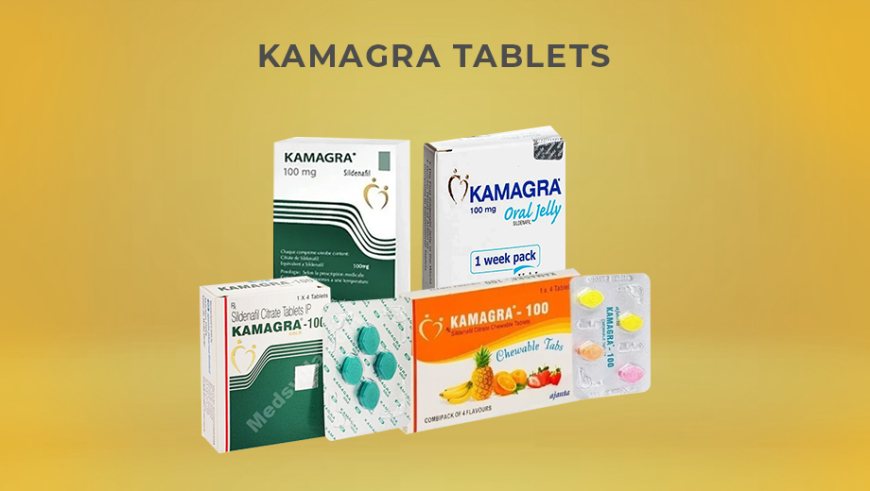
Looking for an affordable Viagra alternative? Kamagra is the perfect choice. With its active ingredient ...[Read more]

Turmeric, is it really the ancient superfood people claim it to be, or just another ...[Read more]
Unitree Go2 Pro in Healthcare Assistance The healthcare sector is increasingly exploring robotics to enhance ...[Read more]
Blackmagic Pyxis 12K L-Mount in Wildlife and Environmental Filmmaking Documenting wildlife demands precision, patience, and ...[Read more]
Buy Kamagra Gold 100 mg online from verified and trusted pharmacies offering safe, discreet, and fast ...[Read more]

Why Vitamin D Is Critical for Your Health Hello Health Champions. Today, we're going ...[Read more]
Sildenafil Calox 100 is not intended for daily use unless prescribed by a doctor. Frequent use ...[Read more]

Do you ever wake up feeling tired, sluggish, or low on motivation even after a ...[Read more]

Every single day, more than 50,000 people are told that they have kidney disease - and ...[Read more]
Thay vì phải lướt hàng loạt trang web để vừ...[Read more]
Los suplementos deportivos son aliados fundamentales para quienes buscan mejorar su rendimiento físico, ...[Read more]